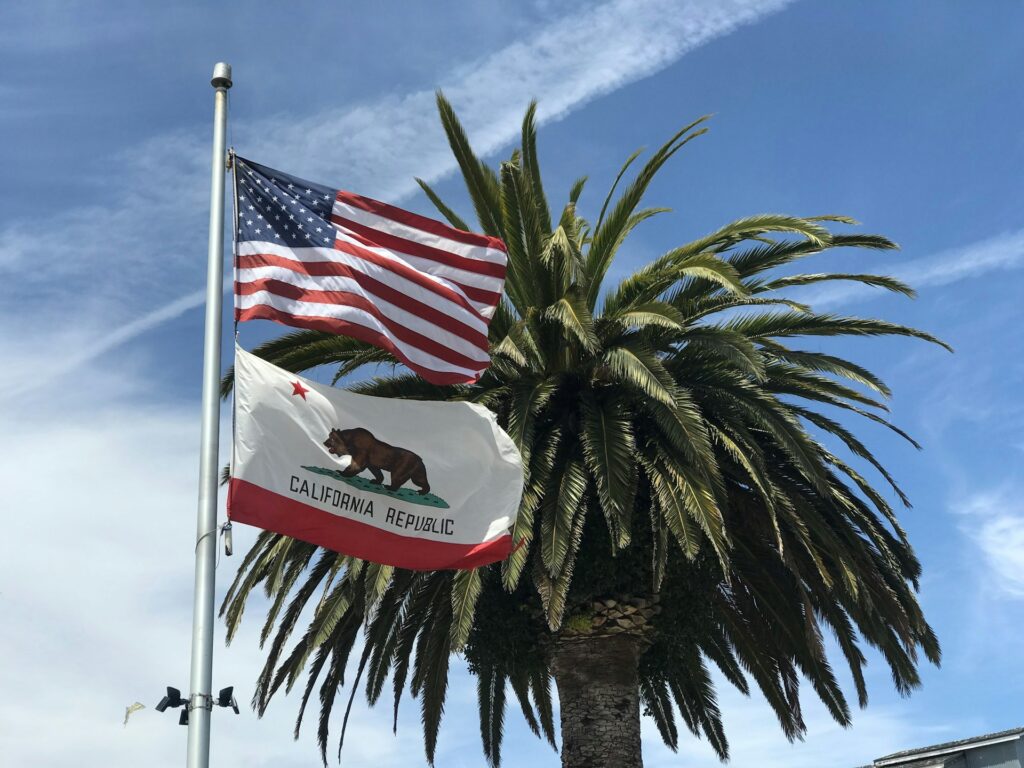
California runs the largest small-business market in the country, a scale that pulls in thousands of people who want to own a franchise. And with hundreds of brands chasing your money, the choice gets difficult very fast.
The best franchises to own in California depend on your budget and the demand in your local territory. This guide shows you how to size up your options and which categories tend to work well across the Golden State.
Key California Franchise Ownership Takeaways
- California’s size and economy make it a strong state for franchise ownership, but the right pick depends on your budget and local demand.
- The most accessible franchises are low-cost, home-based service models that skip expensive retail leases.
- Read the Franchise Disclosure Document (FDD), especially Item 19 on financial performance and Item 7 on initial investment, before you sign.
- Recurring-revenue service franchises tend to hold up better than membership- or trend-driven concepts.
- Fitness Machine Technicians is one low-overhead California fit, a home-based equipment-repair franchise with a total investment of $65,950–$127,990.
Why California Is a Strong Market for Franchise Ownership
California offers a strong market for franchise ownership because it pairs the largest state economy with a huge, spread-out customer base. More people and more businesses mean steadier demand for the services franchises provide.
The numbers back this up. California’s population was an estimated 39,355,309 as of July 1, 2025, according to the U.S. Census Bureau. That is a deep pool of home and commercial customers in one state.
The economy is just as large. Per the California’s record 2025 GDP announcement, California’s GDP grew to $4.25 trillion in 2025, representing 13.8% of the entire U.S. economy. That’s more than any other state.
Franchising keeps growing alongside it. The 2026 Franchising Economic Outlook from the International Franchise Association projects franchise output will rise to $921.4 billion in 2026, with roughly 845,000 establishments and nearly 8.9 million jobs.
How to Evaluate the Best Franchises to Own in California
“Best” is relative to your preferences, financial situation, interests, and goals. A franchise that fits a first-time owner with modest savings may not fit someone funding a full retail buildout. Score each option against a short checklist before you fall for the marketing.
- Compare the total initial investment to the cash you actually have, not just the headline franchise fee.
- Check the margins, because revenue is not profit and some categories keep far more of each dollar.
- Gauge real demand in your territory before you commit to a decade-long agreement.
- Weigh franchisor support, such as onboarding and ongoing coaching. Good training shortens your ramp-up and can set you up for success.
- Favor recurring revenue over one-time sales, which steadies your income month to month.
No matter what industry you explore, run every candidate through the same filter. Let capital and local demand pick the winner.
Do the Math on Cost and Profitability
Separate three numbers before you get excited: the franchise fee, the total initial investment, and your working capital. The fee is only a slice; the total investment plus a cash cushion gets you to opening day.
Next, remember that revenue is not profit. A concept can post big sales and still net little once rent, labor, and food costs come out. Home and business service categories generally keep higher margins than food or retail.
For one model’s franchise cost and qualifications, check the disclosure document, not a headline figure.
Understand the FDD Before You Buy
The Franchise Disclosure Document is your best protection against a costly mistake. The FTC Franchise Rule requires a disclosure document containing 23 specific items of information about the offered franchise, its officers, and other franchisees.
Timing works in your favor, too. Under the amended Franchise Rule FAQs, franchisors must give you the disclosure document at least 14 calendar days before you sign a binding agreement or pay any money. Use that window.
A few items deserve close reading. Focus on Items 5 and 6 (fees), Item 7 (initial investment), Item 19 (financial performance), Item 20 (outlet counts), and Item 21 (financial statements). After your review, call current franchisees and ask what they actually earned.
California adds its own protections. Under the state addendum to FMT’s FDD, all fees are deferred until you begin doing business. Certain restrictive clauses, such as a covenant not to compete, may not be enforceable under California law.
Best Types of Franchises to Own in California
We are grouping by model rather than ranking single brands, because the right fit depends on your budget and your territory. When you shortlist the best franchises to own in California, two model types tend to serve first-time owners especially well.
Low-Cost, Home-Based Franchises (Under ~$130K)
California rents are steep, so a model that skips the storefront starts with a real edge. Having no lease lowers your total investment and speeds your path to profit, which matters more here than in other states. Common categories include maintenance, cleaning, business services, and equipment service.
You can see this across low-overhead home-based models that run from a truck and a phone:
| Model | Storefront Needed | Typical Overhead |
| Home-based service | No | Low |
| Mobile service | No | Low |
| Retail or food | Yes | High |
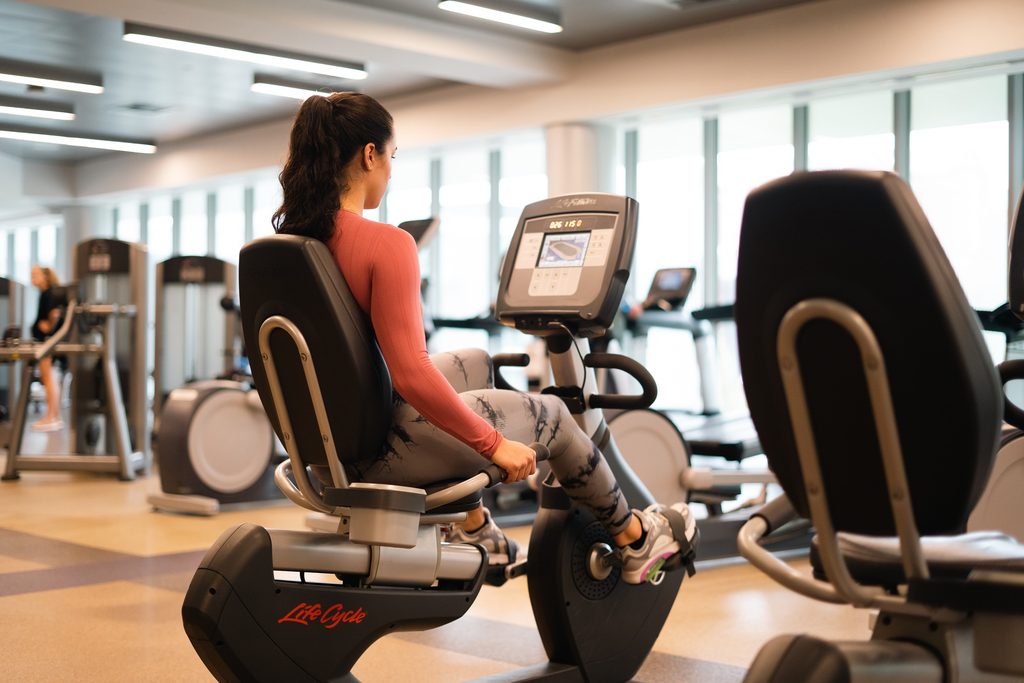
The U.S. gym and fitness industry had a market size of $46.3 billion in 2025, and every machine needs service. One home-based franchise option—gym equipment repair— provides that necessary service and taps into this huge underserved market.
Recurring-Revenue Service Franchises
A one-time sale ends at the register. A service contract bills again next month, which smooths your cash flow and holds up better through economic cycles than membership- or trend-driven concepts.
The strongest service franchises sell into many customer types: gyms, hotels, schools, multifamily housing, corporate wellness programs, and homeowners. When one segment slows, another keeps you busy.
Spotlight: Fitness Machine Technicians, a California-Ready Service Franchise
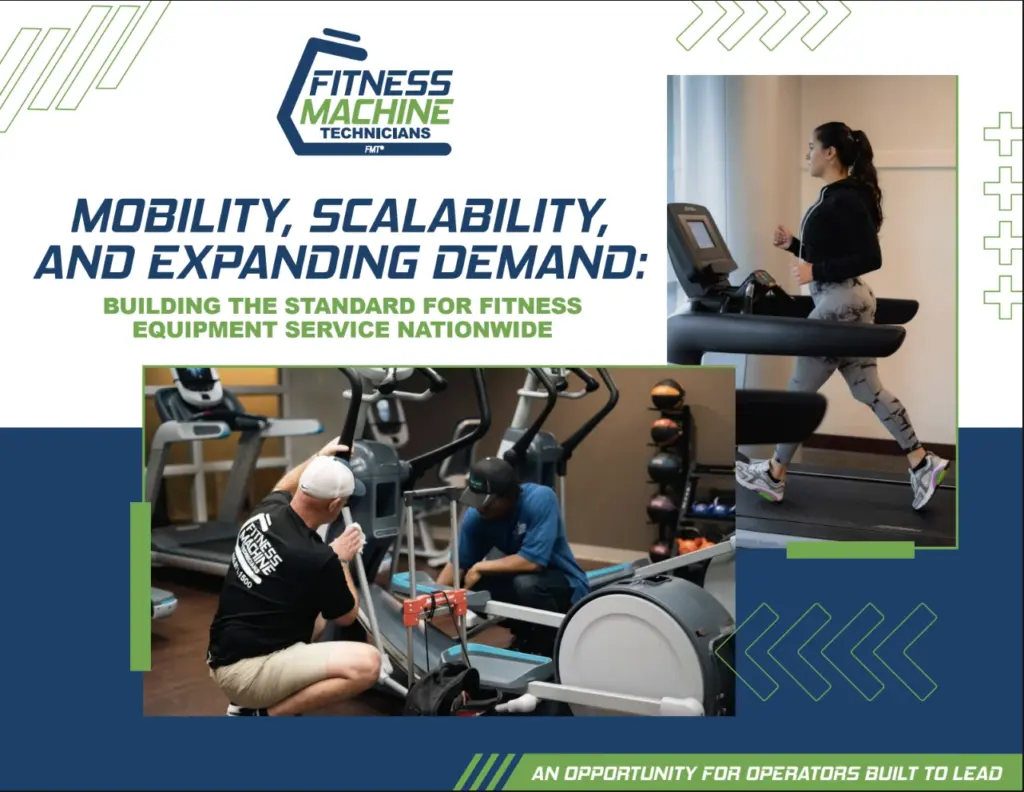
Fitness Machine Technicians (FMT) is a home-based franchise built around fitness-equipment repair and preventive maintenance. FMT’s brand story begins with one frustrated gym owner who saw a need—timely, quality gym equipment repair—in his own business and became a trusted solution for gyms and fitness enthusiasts alike. FMT franchise owners service treadmills, ellipticals, and strength machines for commercial facilities and home gyms, so you serve several customer types inside one territory.
The fit with California is direct. The state is packed with gyms, hotels, apartment complexes, and home gyms, all owning equipment that breaks. That is the fitness equipment repair opportunity FMT hands its owners.
The first-party numbers are concrete, too. Total initial investment runs $65,950 to $127,990, with no storefront required. As of December 31, 2024, FMT had 50 franchisees operating 140 businesses, and a Full-Size territory covers about 800,000 people.
FMT’s Item 19 offers historical proof, though your results may vary. The average gross revenue of the 36 franchisees operating 116 businesses in continual operation through 2024 was $466,910. In 2024, 8% of those franchisees earned more than $1 million, and 25% earned between $500,001 and $1,000,000.
Amy Hamm, Vice President of Business Operations & Franchise Management, frames it simply. “This model starts lean and grows on repeat service work, not foot traffic. You can launch with one technician and add accounts as demand builds.”
California buyers get extra cover, too. Under the FDD’s California addendum, all fees are deferred until you begin doing business, so you are not paying before you earn.
Which California Franchises Are Most Profitable (and Which to Approach Carefully)
Profitability is specific to the franchise and the owner. Treat any “most profitable” list with care. Margin structure tells you more than a brand name; low-overhead service categories often keep more of each dollar.
Approach thin-margin, high-overhead concepts carefully. Many food and retail brands post strong sales yet net little after rent and labor. Use each brand’s Item 19 to compare real performance.
Amy Hamm, Vice President of Business Operations & Franchise Management, puts it bluntly. “Read Item 19 like an investor, not a fan. Recurring service revenue with low overhead protects your margin when the economy wobbles.”
Royalty structure matters as well. FMT charges 6% of the first $499,999 of annual gross sales, then 5% above $500,000. A $500 monthly minimum starts in month 13, plus a 1% brand development fee that can rise to 2%.
How to Get Started Owning a Franchise in California
You do not need deep technical experience, but you do need a plan. Follow a clear sequence to avoid first-timer mistakes.
- Shortlist two or three models that match your budget, then confirm you qualify.
- Request the FDD and read it against the checklist above.
- Validate the numbers by calling current franchisees.
- Arrange financing, including SBA loans where they fit.
- Sign, complete training, and launch your territory.
Veterans get an extra path. FMT applies a 15% VetFran discount to the initial franchise fee, one of several options for military veterans worth checking.
Comparing franchises across states? Our Texas franchise ownership guide mirrors this structure for a side-by-side read.
Frequently Asked Questions
What is the most profitable franchise to own in California?
There is no single answer, but low-overhead service franchises with recurring revenue tend to protect margins better than food or retail concepts.
What franchise can I start with $100,000 or less in California?
Many home-based service franchises fit that budget, including Fitness Machine Technicians, with a total initial investment of $65,950 to $127,990.
How important is the Franchise Disclosure Document?
It is essential. You must receive it at least 14 calendar days before signing, so read Item 19 and Item 7 closely first.
How long does franchise ROI typically take?
It varies widely by model and owner, so use each brand’s Item 19 as a baseline and confirm real timelines with current franchisees.
Why is California a good state to open a franchise?
California has the largest state economy and nearly 39.4 million residents, which creates deep, steady demand for both home and commercial services.
Finding the Right California Fit
The best franchise for you matches your budget and the demand in your territory. Choose a recurring-revenue model that holds up when the economy shifts. California’s size rewards owners who read the FDD, run the math, and call current franchisees before signing.
Among the best franchises to own in California, a low-overhead, home-based option with proven demand is hard to beat. Fitness Machine Technicians is a franchise opportunity worth a serious look, so take the next step.