
Purchasing a franchise gives veterans a structured path to business ownership, and franchisors know it. That’s why many brands offer discounted fees, dedicated support programs, and financing incentives specifically for military veterans.
The challenge for aspiring entrepreneurs? Sorting through hundreds of options to find one that actually fits their skills, budget, and goals. This guide covers how to evaluate veteran franchise opportunities. We’ll also discuss industries that match different military backgrounds and programs to help you start your franchise journey.
Why Veterans Excel as Franchise Owners
Veteran-friendly franchises often offer discounted franchise fees, sometimes 10–50% off the standard rate. In addition, flexible financing is available through many third-party programs, which services such as VetFran (the International Franchise Association’s veteran support initiative) can link you to. The discounts are only part of the story, however. Franchisors actively recruit veterans because they know that military experience builds the exact skills that franchise ownership requires.
Discipline and Systems Execution
Franchises run on systems. Every process, from how you greet a customer to how you complete a service call, follows a documented playbook. Veterans spend years learning to execute standard operating procedures without cutting corners. That training translates directly to running a franchise the way the franchisor designed it.
Leadership and Team Building
Most franchise owners eventually hire and manage a small team. Military service develops the ability to train people, assign tasks, and hold a group accountable to a standard. When you’re ready to add your first technician or office manager, you’ll already know how to lead.
Mission Focus and Follow Through
Starting a business involves months of unglamorous work before revenue stabilizes. You might be knocking on doors, following up on leads, and troubleshooting problems with no immediate payoff. Veterans received training to complete objectives even when conditions are difficult. This persistence matters during the early stages when customer acquisition is slow.
What Makes a Franchise Veteran Friendly
Not every franchise that claims to support veterans actually offers meaningful benefits. Here’s what to look for when evaluating whether a franchise opportunity is genuinely veteran-friendly:
- Discounted franchise fees: A reduced initial investment for honorably discharged veterans, sometimes ranging from 10% to 50% off the standard fee
- VetFran membership: Participation in the IFA’s official veteran franchise program, which signals a formal commitment to veteran recruitment
- Dedicated onboarding support: Training programs that account for the military-to-civilian transition, not just generic franchise training
- Territory flexibility: Accommodations for relocation or military family schedules, which can affect where and when you launch
If a franchisor can’t clearly explain their veteran benefits during a discovery call, that tells you something.
How to Choose the Right Veteran Franchise Opportunity
Finding the right franchise depends less on picking the “best” brand and more on matching a business model to your goals, skills, and financial situation. The following steps can help you filter options before you invest time in discovery calls.
Step 1. Define Your Income and Lifestyle Goals
Ask yourself whether you want to work in the business daily or manage it from a distance. Some franchises are owner-operator models where you’re the primary technician or salesperson. Others allow semi-absentee ownership where you hire a manager and oversee operations. Your answer affects which industries and brands fit.
Also consider your income target. A franchise that generates $80,000 annually might be perfect for one owner, but completely wrong for another.
Step 2. Match Industry to Your Military Skill Set
Your MOS or rate often points toward industries where you’ll have an advantage. Veterans with logistics backgrounds tend to do well in service-based franchises that involve routing, scheduling, and inventory management. Technical roles translate well to equipment repair, trades, or field service businesses.
You don’t have to stay in your lane, but starting with familiar territory reduces the learning curve.
Step 3. Set a Realistic Investment Range
Franchise costs vary widely. Before exploring specific brands, know your liquid capital (cash you can access without selling assets) and your financing capacity. This prevents you from falling in love with a concept you can’t afford, or overlooking a strong opportunity because you assumed it was out of reach.
Step 4. Study the Local Market and Territory
Franchise success depends heavily on territory demand. A great brand in a saturated market will struggle. Research population density, existing competition, and customer demographics in your target area before committing to a territory.
Step 5. Validate Franchisor Support and Track Record
The Franchise Disclosure Document (FDD) contains 23 items of required information, including litigation history, franchisee turnover, and financial performance representations. Read it carefully. Then call current franchisees listed in exhibit C and ask about their experience with training, ongoing support, and profitability.
Best Franchises for Veterans Across Key Industries
Different industries suit different backgrounds and investment levels. Here’s how the major categories break down.
Home and Equipment Service Franchises
Service franchises that operate without a storefront often have lower startup costs and generate recurring revenue through maintenance contracts. Fitness equipment repair, HVAC, and appliance service fall into this category.
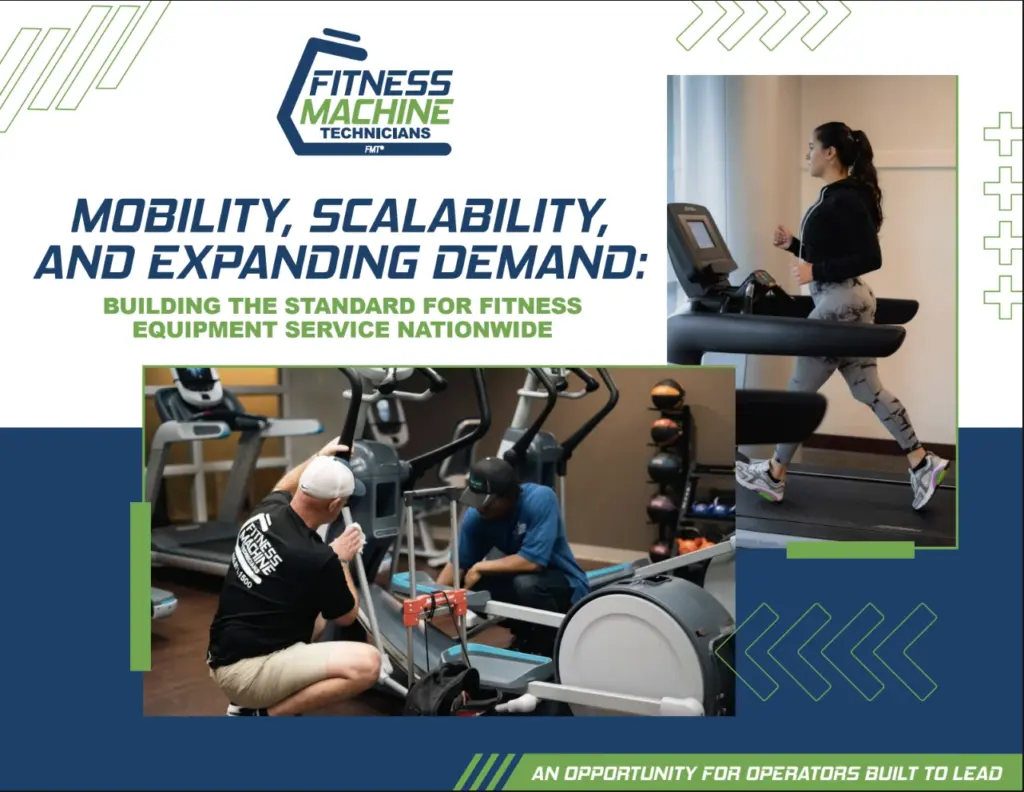
Fitness Machine Technicians, for example, offers a mobile service model with no retail location required. Owners can launch lean and scale by adding technicians as demand grows. The combination of commercial facility contracts and residential service calls creates multiple revenue streams within a single territory. The brand itself was built the way many veterans approach a problem: its founder ran gyms for 20 years, got tired of unreliable repair vendors, and built the fix himself rather than waiting for someone else to solve it.
Food and Retail Franchises
Quick-service restaurants and retail concepts typically require higher capital but come with strong brand recognition. Auntie Anne’s and The UPS Store both offer veteran incentives through VetFran. Keep in mind that food and retail models often involve real estate leases and larger staff, which increases complexity and overhead.
Health and Fitness Service Franchises
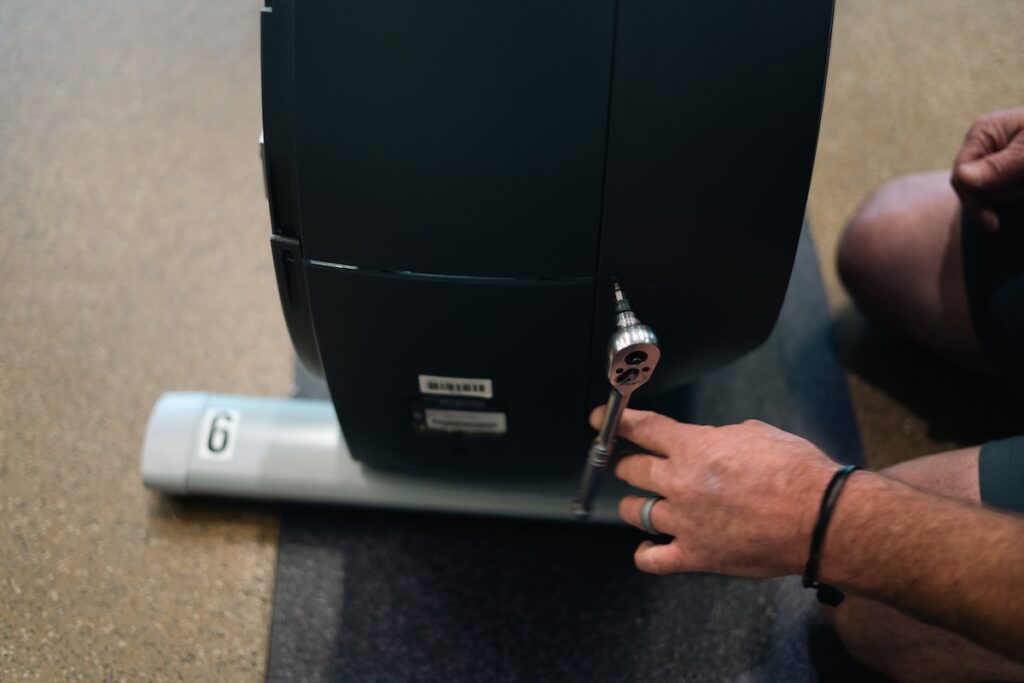
Gyms and wellness services are growing, though many require significant real estate investment. Mobile or B2B service models in this space (like equipment maintenance for commercial gyms) avoid storefront costs while serving the same industry.
Business and Professional Services
Staffing agencies, tax preparation, and B2B consulting franchises suit veterans with administrative or management backgrounds. Sales cycles in B2B tend to be longer, so patience and relationship-building matter more than quick transactions.
Top Programs and Incentives for Veteran Franchisees
Several organizations exist specifically to help veterans enter franchising. Here’s a quick comparison:
| Program | What It Offers |
| VetFran | Franchise fee discounts, directory of participating brands |
| SBA VBOC | Free business counseling and training |
| Warrior Rising | Mentorship and peer networks |
| The Rosie Network | Grants and support for military families |
| Second Service Foundation | Funding assistance for franchise purchases |
VetFran
VetFran is the IFA’s official veteran franchise program. The program rates member franchises by the level of discount they offer. It’s easy to compare incentives across brands. You can search their directory to find franchises that match your industry interest and investment range.
SBA Veterans Business Outreach Centers
VBOCs are free government resources with locations nationwide. They offer business plan assistance, loan guidance, and connections to SBA lending programs. If you’re unsure where to start with financing, a VBOC counselor can walk you through your options.
Warrior Rising
This nonprofit provides mentorship from experienced business owners and connects veteran entrepreneurs with peer networks. Having someone with experience in the franchise buying process can save you time and help you avoid common mistakes.
The Rosie Network
Focused on military spouses and families, The Rosie Network offers grants and training for those looking to start businesses alongside or independent of a veteran spouse.
Second Service Foundation
This organization helps veterans access capital specifically for franchise purchases, bridging the gap between savings and total investment requirements.
Financing and Funding Options for Veteran Entrepreneurs
Veterans have access to funding paths beyond traditional bank loans as they look to make their franchise investment:
- SBA Veterans Advantage loans: Reduced fees on Small Business Administration loans for veterans
- ROBS (Rollover for Business Startups): Using retirement funds to invest in a franchise without early withdrawal penalties
- Franchisor financing: Some brands offer in-house payment plans or deferred fees for qualified candidates
- Veteran-specific grants: Nonprofit programs that provide startup capital without repayment obligations
Each option has trade-offs. ROBS, for instance, puts retirement savings at risk if the business doesn’t succeed. SBA loans require strong credit and collateral. Understanding your options early helps you move faster when you find the right opportunity.
Questions to Ask a Franchisor Before You Sign
During discovery calls and validation, the following questions help you evaluate whether a franchise is the right fit:
What veteran-specific discounts or incentives do you offer?
How many veteran franchisees currently operate in your system?
What does initial training include, and how long does it last?
What ongoing support do franchisees receive after launch?
Can I speak with current franchisees about their experience?
What is the average time to break even?
Are territories protected, and what is the territory size?
What are the FDD Item 19 earnings claims, if disclosed?
If a franchisor hesitates to connect you with existing owners or avoids questions about financial performance, take note.
Building a Lean Franchise Career After Service
Veterans bring discipline, leadership, and mission focus to franchise ownership. The key is matching those strengths to a business model that fits your goals and financial situation.
Lean service franchises, like Fitness Machine Technicians, offer a path to ownership without the overhead of a retail location. With recurring revenue from maintenance contracts and a system built to scale one technician at a time, the model serves owners who want to grow at their own pace. It’s also a brand built on the same instinct many veterans bring to ownership: when you see a problem, you fix it. You don’t wait around for someone else to.
To learn more about this exciting franchise opportunity for veterans, contact us or download our free eBook today.
FAQs About Veteran Franchise Opportunities
Can veterans use VA loans to buy a franchise?
VA loans focus on real estate purchases, not business acquisitions. Veterans looking to finance a franchise typically use SBA loans, ROBS, or franchisor financing instead.
Do all franchises offer discounts to veterans?
No. Look for VetFran members or ask directly during discovery. Discount levels vary by brand, and some franchises offer no veteran-specific incentives at all.
What is the lowest investment franchise option for veterans?
Service-based and mobile franchises typically have lower startup costs than retail or food concepts. Review FDD Item 7 for each brand to compare total investment ranges.
Are there franchise programs specifically for disabled veterans?
Some franchisors and nonprofits offer additional incentives for service-connected disabilities. The SBA also has programs specifically for disabled veteran entrepreneurs through the Office of Veterans Business Development.
How long does the franchise buying process take from application to opening?
The timeline varies by franchisor but typically spans several months. Training schedules, territory approval, and financing all affect the timeline. Each franchisor outlines their process during discovery.