Key Takeaways
- The best franchise to own in 2026 is the one that fits your budget and how hands-on you want to be.
- Investment ranges swing widely: a home-based travel franchise can start near $2,000, while a quick-service restaurant can top $4 million.
- Compare franchises on four numbers: total investment, franchise fee, royalty rate, and disclosed Item 19 earnings.
- Home-based service franchises with recurring contracts carry lower fixed overhead and steadier revenue.
- U.S. franchising is projected to reach about 845,000 establishments and nearly 8.9 million jobs in 2026.
What Are the Best Franchises to Own in 2026?
If you are searching for the best franchises to own in 2026, start with this: there is no single best franchise. The right opportunity depends on your capital and how involved you want to be day to day.
What you can measure is whether a franchise gives you the numbers to make a confident decision. A strong franchise discloses Item 19 earnings and explains where recurring revenue comes from. Its total investment fits a realistic growth timeline.
According to the 2026 Franchising Economic Outlook, the number of franchise establishments will grow from 832,521 to about 845,000 units this year. Employment is expected to reach nearly 8.9 million jobs. Total output is projected to rise from $907.3 billion to $921.4 billion.
That growth spans cleaning, fitness, food service, and other sectors. The comparison below shows how real brands stack up by cost and ownership model so you can narrow your search.
Best Franchises to Own in 2026, Compared
The table below ranks six brands from lowest to highest total investment. Each figure comes from the brand’s current Franchise Disclosure Document or official franchise profile.
| Franchise | Category | Total Investment | Ownership Model |
| Cruise Planners | Travel | $1,945 – $20,505 | Home-based, owner-operator |
| Jan-Pro Cleaning & Disinfecting | Commercial cleaning | $4,830 – $58,070 | Home-based, recurring B2B |
| Fitness Machine Technicians | Fitness equipment repair | $65,950 – $127,990 | Home-based, recurring service |
| Home Instead | Senior care | $91,040 – $269,750 | Semi-absentee possible, recurring |
| Anytime Fitness | Fitness / gym | $458,826 – $907,607 | Storefront, owner-operator |
| Taco Bell | Quick-service food | $1,859,750 – $4,310,200 | Storefront, multi-unit |
Low-cost home-based brands (Cruise Planners, Jan-Pro, Fitness Machine Technicians) let you launch without a lease or buildout. Higher-investment storefront brands (Anytime Fitness, Taco Bell) offer stronger brand recognition but require commercial real estate and staffing from day one.
Use this range as a starting point. From here, you compare Item 19 earnings, royalty rates, and whether the revenue is recurring or transactional.
Franchise Categories to Watch in 2026
Different categories carry different risk and opportunity profiles. Here is what each offers a prospective owner.
Quick-service food requires the highest investment but offers strong brand pull. Major QSR brands carry seven-figure startup costs and ongoing ad fund requirements. QSR output growth is projected below 0.5% in 2026, according to the IFA/FRANdata outlook.
Home and commercial services are projected to grow at 3.2% output year-over-year, making them the fastest-growing franchise categories alongside child services. Cleaning, HVAC, and equipment repair franchises typically run from a home office with lower fixed overhead.
Senior care benefits from demographic tailwinds. Brands like Home Instead offer semi-absentee ownership and recurring revenue through ongoing care contracts.
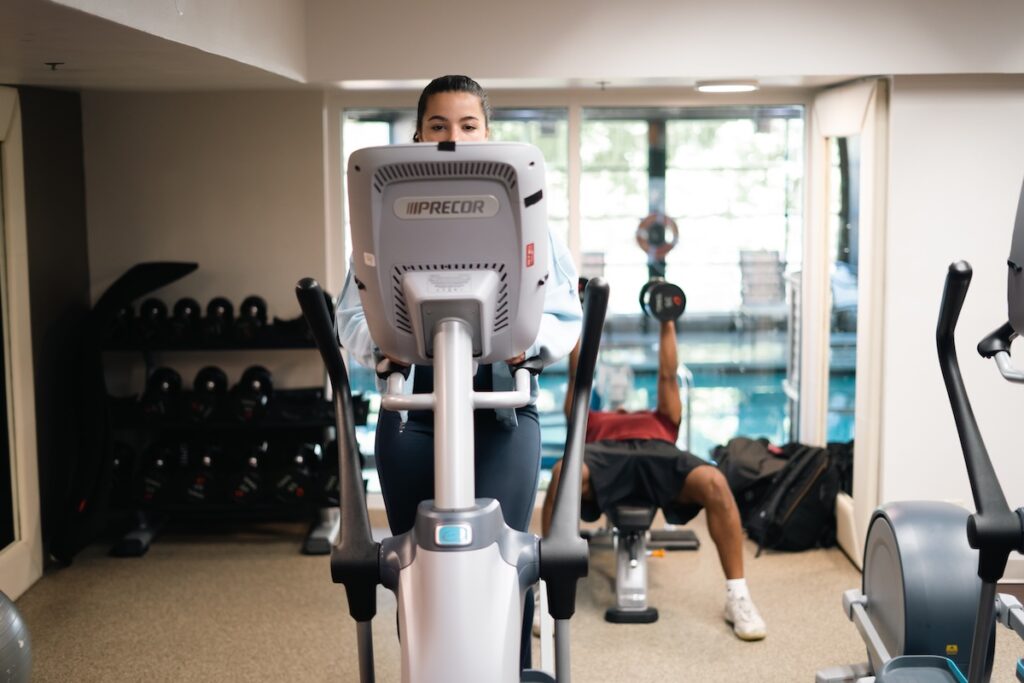
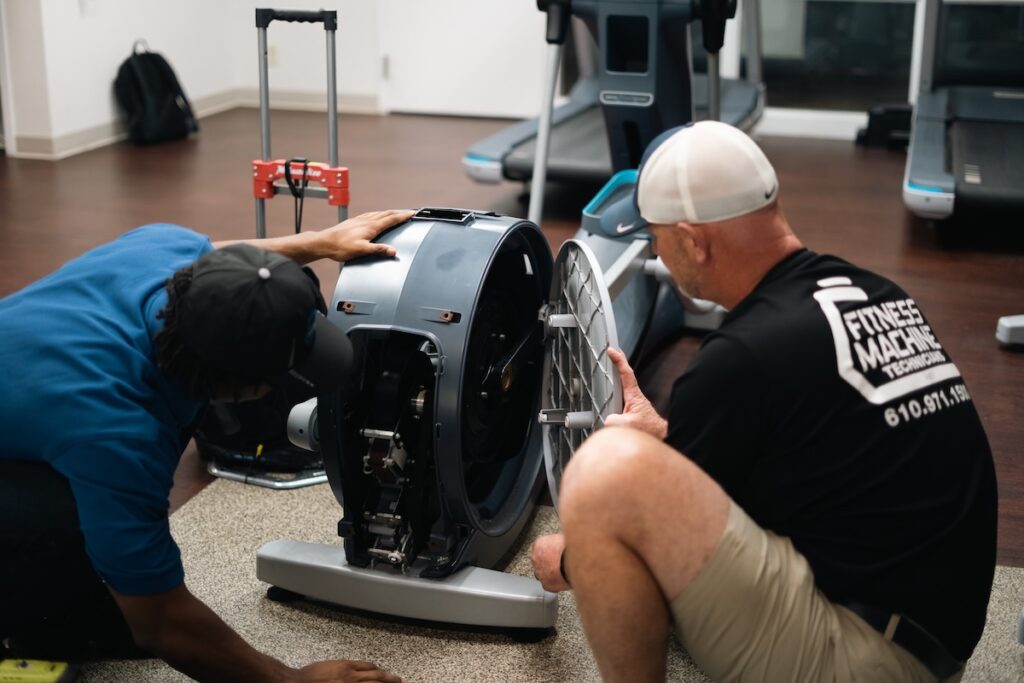
Fitness and wellness spans two models. Gym franchises (Anytime Fitness) require buildout and lease costs. Fitness equipment service brands (Fitness Machine Technicians) operate home-based and build revenue around preventive maintenance contracts. Employment for fitness trainers and instructors is projected to grow 12% from 2024 to 2034, much faster than average, with about 74,200 openings projected each year, according to the Bureau of Labor Statistics.
Travel offers one of the lowest entry points. Cruise Planners starts under $21,000 and operates fully home-based, though revenue depends on booking volume and commission rates.
The Numbers That Predict a Strong Franchise
Every strong franchise decision starts with disclosed figures. Start with Item 19 earnings, then compare total investment and royalty structure. Once you understand how revenue recurs, you can compare any two opportunities on level ground.
Item 19: The Earnings Number
The Franchise Disclosure Document (FDD) is the standardized report every franchisor must give you. Item 19 is where franchisors may disclose financial performance, such as average revenue or unit-level profit.
Item 19 is optional. When a franchisor skips it, that tells you something. When they include it, read carefully: an average pulled up by a few top performers looks different from a tight median cluster.
For example, the Fitness Machine Technicians franchise disclosed an average gross revenue of $489,562 across 41 franchisees operating 129 territories in continual operation during 2024 and 2025 (FMT 2026 FDD, Item 19). That average came from franchisees running a home-based, recurring-service model with total investment starting at $65,950.
These results are unaudited, reflect a subset of franchisees, and are historical. Your individual results may differ. Even so, a disclosed figure gives prospective owners a real baseline to weigh against total investment.
Total Investment, Fees, and Recurring Revenue
Every franchise lists a franchise fee, but that fee is not the full cost. Total investment includes equipment, supplies, insurance, working capital, and any buildout.
That figure is what you need to finance before you see a dollar of revenue.
Compare the total investment to the Item 19 average. A brand with a $500,000 investment and a $450,000 average revenue is a different equation than a brand with a $100,000 investment and the same revenue.
The FMT franchise total investment ranges from $65,950 to $127,990. Franchise fees are $25,000 (Hometown territory) or $45,000 (Full-Size territory). Ongoing royalties are 6% of the first $499,999 in gross sales each year, then 5% above $500,000.
A 1% brand development fee also applies. For more detail, see the franchise startup cost details.
Recurring vs. one-time revenue matters. A franchise built on one-time sales starts each month at zero. A franchise built on service contracts carries forward revenue month to month. That structure supports predictable cash flow and lowers fixed risk.
Service-based franchises in fitness equipment repair and senior care often anchor revenue in annual preventive maintenance contracts. For regional examples, consider franchise opportunities in the Texas market.
Match the Model to Your Life: Overhead and Risk
A retail storefront adds lease payments and buildout costs. Those fixed expenses hit every month whether customers show up or not. A home-based service franchise eliminates most of that overhead and lets you build customer volume before adding staff.
| Factor | Storefront Model | Home-Based Model |
| Buildout | Tenant improvements, signage, fixtures | Minimal or none |
| Lease | Monthly commercial rent | None |
| Fixed overhead | Rent, utilities, staffing minimums | Lower (vehicle and supplies) |
| Total investment | Often $200,000+ | Often under $150,000 |
Neither model is automatically better. The right choice depends on whether you want to operate the business every day (owner-operator) or manage it while keeping another job (semi-absentee).
Lower fixed overhead means a lower break-even threshold and more flexibility to grow at your own pace. For a list of home-based concepts across categories, see home-based franchise options.
How to Vet the Best Franchises to Own in 2026
Read the full FDD before signing anything. The FTC Franchise Rule requires franchisors to give buyers a disclosure document containing 23 specific items of information. The FDD covers litigation history and explains turnover and territory rights.
Wait the required 14 days. Franchisors must give you the FDD at least 14 calendar days before you sign any agreement or pay any money (14-day disclosure window). Use that time to review the document and talk to current franchisees.
Call current and former franchisees listed in FDD Item 20. Reach at least five. Ask about ramp-up timeline and whether actual revenue matches the Item 19 average.
Understand your financing options. Many franchise buyers use SBA 7(a) loans to fund the purchase. Ask a lender which brands they already finance before you count on that route.
Hire a franchise attorney to review the agreement and flag unusual terms before you sign.
Evaluate training and support. First-time owners benefit from structured onboarding because it shortens the path to revenue.
Frequently Asked Questions
What Is the Best Franchise to Own in 2026?
The best franchise depends on your capital and risk tolerance, along with how involved you want to be. Look for a brand that discloses Item 19 earnings and keeps total investment low relative to revenue.
What Is the Most Profitable Franchise?
Profit varies by brand and operator. Use Item 19 as your best proxy because a high headline revenue number can mask thin margins once you account for total investment and royalty rates.
What Is the Cheapest Franchise to Start?
Travel and cleaning franchises have some of the lowest entry points. Cruise Planners range from $1,945 to $20,505 and Jan-Pro Cleaning range from $4,830 to $58,070. Compare the total investment range in the FDD, not just the franchise fee.
What Is a Recession-Proof Franchise?
No franchise is fully recession-proof, but recurring essential services (equipment repair, HVAC, senior care) hold up better than discretionary retail because customers cannot easily defer them.
Can I Run a Franchise From Home?
Yes, home-based service franchises like Fitness Machine Technicians do not require a retail location. Owners operate from a home office, dispatch technicians to customer sites, and scale staff after building demand.
Apply These Numbers to Any Franchise
Use the four numbers (total investment, franchise fee, royalty rate, Item 19 earnings) to evaluate any franchise you consider. Prioritize recurring service contracts and a home-based model if you want to minimize fixed risk.
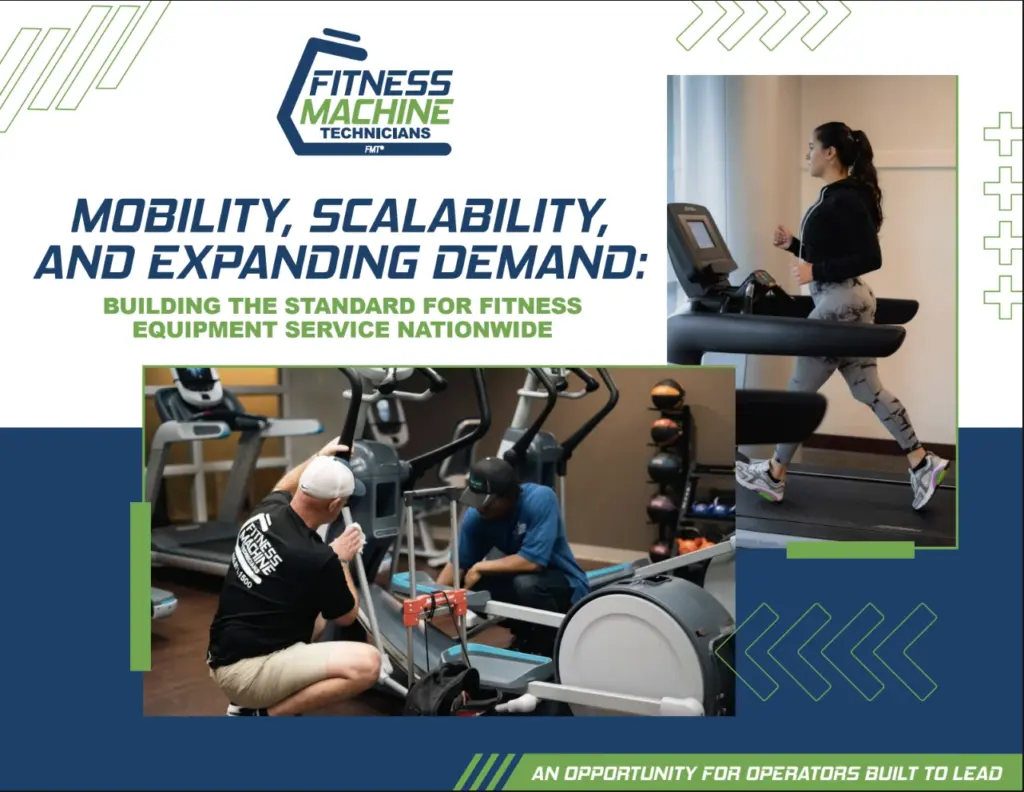
Fitness Machine Technicians is one low-overhead, recurring-revenue option serving a growing market. If you want to see how the numbers work for a service-based brand, get our FREE eBook and explore whether it fits your goals.